eBooks
100 Books foundAbout the QEEHH Public Domain Literature Library
The /ebooks archive at QEEHH offers a curated selection of one hundred public-domain works, primarily from the nineteenth and early twentieth centuries. Each book is presented with a critical reading companion that highlights context, structure, and thematic patterns. The catalogue is designed for readers interested in historical children's literature, with a particular focus on works featuring animals, birds, and insects as central characters or narrative devices.
Browsing Methods
Readers may browse the archive by category, where works are grouped by shared themes and subjects. Alternatively, the full list of titles is accessible from the main archive page. Each entry includes a direct link to the book's dedicated reading companion, which offers editorial notes and guidance for first-time readers.
Book-Record Information
Every book record displays the title, author(s), publisher, and relevant keywords drawn from Library of Congress cataloguing data. A target-reader field indicates the intended audience, and a catalogue note provides a brief summary of the work's content and narrative style. These elements together help readers assess the work's relevance to their interests.
Source Attribution
All texts in the archive are sourced from Project Gutenberg, a trusted repository of public-domain literature. No modifications have been made to the original texts beyond the editorial commentary provided in the reading companions. Attribution is clearly given for each work, including the original publisher and any illustrators or translators where applicable.
Categories
The current archive The catalogue is organized into multiple active subject categories.Childrens Adventures. This category brings together stories in which non-human creatures play a prominent role, whether as protagonists, symbolic figures, or vehicles for moral instruction. The works range from Beatrix Potter's precise animal portraits to folkloric tales of giants and fairies, united by their focus on the natural world and its inhabitants.
Three Practical Reading Paths
Begin with A Collection of Beatrix Potter Stories (id 214) and The Great Big Treasury of Beatrix Potter (id 215) for an introduction to her characteristic blend of natural observation and dry humor. Then explore The Tale of Samuel Whiskers (id 224) and The Tale of Mr. Tod (id 227) to see how Potter extends her animal world into darker, more suspenseful territories.
Start with Among the Forest People (id 245) by Clara Dillingham Pierson, where forest animals navigate moral lessons through everyday adventures. Continue with Mother West Wind's Animal Friends (id 255) by Thornton Burgess, which uses linked tales to build a cohesive woodland community. Conclude with Father Thrift and His Animal Friends (id 260), an instructional story that teaches practical skills through animal characters.
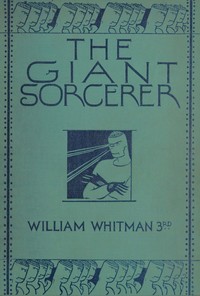
For readers interested in anthropomorphic fantasy, begin with The Wonderful Stories of Fuz-Buz the Fly and Mother Grabem the Spider (id 274), an 1867 tale of insect domesticity and fairy-tale adventures. Follow with The Giant Sorcerer (id 304), a 1927 fantasy where siblings encounter talking animals in a mechanized world. End with The Bird and Insects' Post Office (id 242), a collection of verse letters that give distinct voices to each creature.
Bibliographic dates and catalogue measurements
The catalogue distinguishes the Project Gutenberg digital release from a work’s original or first publication. Project Gutenberg is identified as the digital source for the edition available here; its release year is therefore shown as Gutenberg Release Year, not as the work’s original publication year.
When an explicit first-publication or issue date can be supported directly by the title or issue information, it may be shown separately as First Publication Year. When that date cannot be confirmed, the catalogue displays Not confirmed rather than guessing a year.
Where the source text can be measured reliably, the catalogue may provide word count and estimated reading time. These measurements describe reading scope and are not quality rankings.
The current catalogue contains 4 active subject categories: Young Readers, School Stories, Childrens Adventures, and Fairy Moral Tales. Categories are browsing aids and may overlap where a work reasonably fits more than one subject.